The problem in everyday life
Everyone does it differently. “How hard can it really be to work here? Can you SPAM-tag internal channels?”
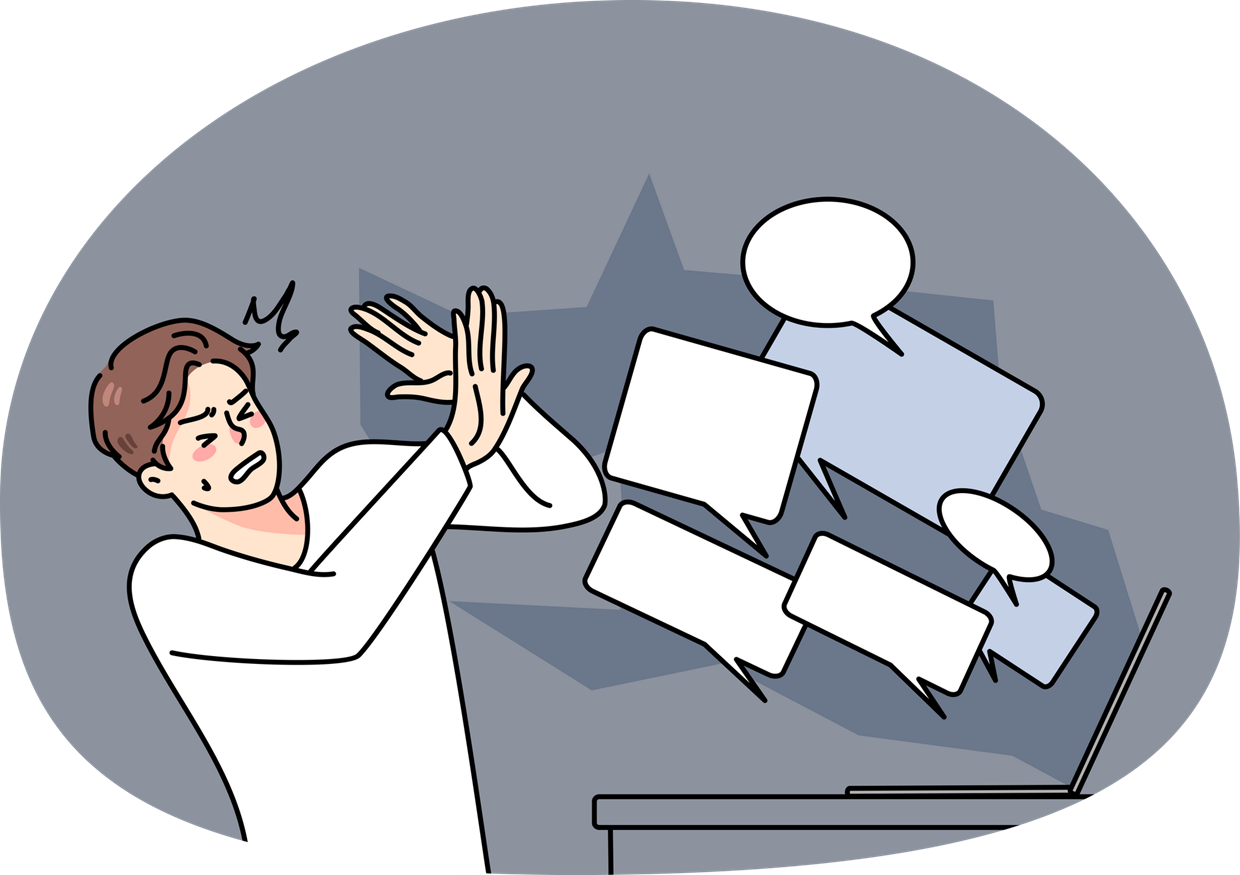
The feeling is recognizable: if you can't find anything unless it's sent directly to you, you have to read everything, everywhere.
Messages are spread via email, in several different Teams, on some SharePoint surface, via an intranet that few love – and through meetings. Lots of meetings. Coordinations, information meetings, updates, pre-meetings and meeting-meetings. Nothing holds together and nothing moves forward by itself.
Why is it difficult?
Part of the problem is that senders choose channels based on what they like, rather than what the recipient needs. Internally, the logic is different than externally: here channels must be created, maintained and nurtured – including meetings.
Email lists live on from old habits. Faxes were also once a thing. Now we need to move on.
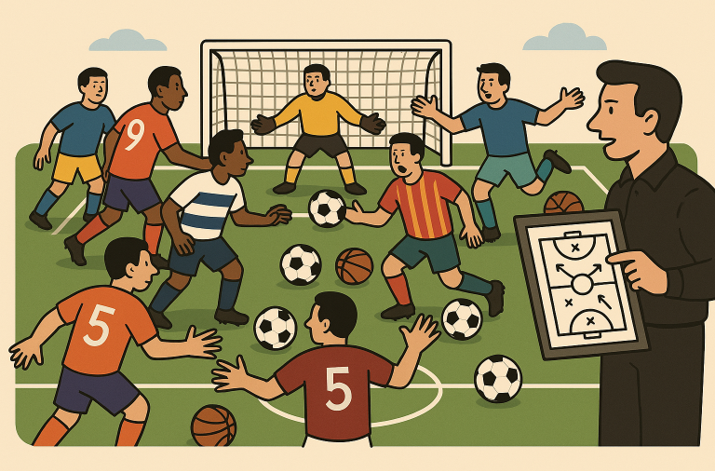
Meetings are often the universal solution. But when everything is discussed everywhere, decisions die in minutes or in people's heads. Doesn't the intranet make it easier – is it a source, a news channel or a discussion space? The ambiguity keeps everyone guessing.
The way forward – the governance group takes the lead
To put it together you need communication own the channel strategy. With mandate and responsibility, there is an end to begging and buddy work – instead, it is governed by structure, measurement and clear workflows.
A channel model that everyone follows is the very foundation. The intranet becomes the source for decisions, governing documents and our shared “how we do & why” – searchable and version-managed. Teams are used for the daily work in teams and functions: tasks, deliveries and short-lived dialogue. Org-team or Viva Engage is the place for what concerns the entire business – Q&A, communities and feedback. And the emails? We reserve them for external contacts, 1:1 and receipts – not mass mailings.
Meetings also need an architecture. The management team decides and prioritizes, and logs the decisions on the intranet. Managerial forums translate the decisions into “what do we do now” for the teams. Team and staff meetings become the place for implementation and follow-up. 1:1 is about the individual’s goals and development – not information dissemination. The rule is simple: decisions are passed down, status is passed up. No forum duplicates another.
For it to work in everyday life, some basic tools are required: target groups that are dynamically linked to roles and locations, a simple taxonomy of tags (location, role, process) on news and incidents, and meeting kits from communication with standard agendas and checklists. This means that decisions end up on the intranet, actions in Planner/Tasks and information with the right target group – instead of meetings becoming backup channels.
Communication can coach in clear language and channel selection, but managers must show the way in everyday life. One main channel per team is enough – the important things must end there. And in parallel, we need to clean up: archive dead Teams, merge duplicate groups and rename messy channels. Less noise, more signal.
Concrete decisions to make
- Mandate & goals: Communications receives a publishing mandate for the channel strategy and responsibility for reach, coverage and time-to-target group.
- Channel policy on one page: “We publish this everywhere – therefore.” With examples.
- Meeting architecture & cadence: management group, management forum, team, 1:1 – purpose, decision type, frequency, templates, hand-offs.
- Conversion plan: Email lists → Org-team/Viva Engage, with autoresponders that point you in the right direction.
- Owner list: Who owns the homepage, department areas, communities, meeting forums? Name, role, backup.
- Measuring: reach of posts, response time to Q&A, reading of critical updates, percentage of decisions published, reduced number of mass emails.
When the foundation is laid
Then channel strategy and meeting structure are linked. The right message, the right target group, the right time. For the employee, it becomes “a way in”. For the sender, ready-made target groups. And for the communication function – a daily routine without begging or shortcuts to friends.
This post is part of the series Common mistakes in the digital workplace.