
Digital Workplace • Strategy & Change
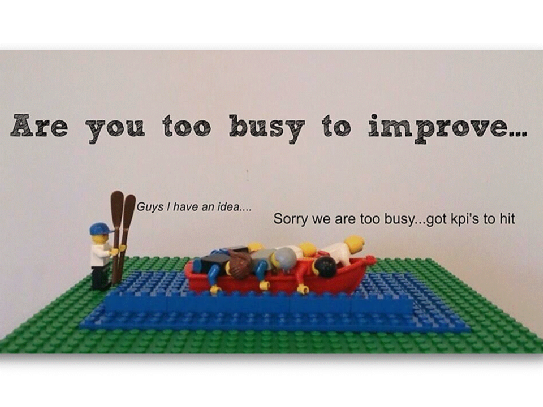
Important but late. Sound familiar? Many businesses say they don’t have time to get their digital workplace up and running. But here’s the reality: there will never be a perfect time. The question is – how can your digital workplace support what you’re already doing?
Change of office or activity-based working method
When you move offices, everything is in flux. New spaces, new routines, new coffee machines.
Amidst all this, it’s the daily interactions – internal communications – that risk becoming the most messy. And here’s the point: a functioning digital workplace makes the move easier, not harder.
Match the physical office with the digital structure. Make sure Teams and SharePoint support how you want to work in the new spaces. Help managers lead distributed teams. And above all – don’t wait. No one benefits from leaving digital order behind on the moving truck.
Reorganization
Reorganizations are incredibly disruptive – by definition. All roles are reversed,
and if the digital workplace doesn't keep up, there will be chaos.
Without a plan, this is what happens: old Teams are left open, new Teams are created,
files are copied instead of moved, and no one knows what is going on. The result?
Three different versions of reality – while the reorganization itself is left standing still.
Instead, make it part of the change: close down old spaces, give new roles their rightful place, and use Teams, tags, and intranets to reflect the new. Then the reorganization will not just be a paper product – but something people can actually live with from day one.
Introduction of new system or tool
A new HR, ERP or CRM system is not just an IT issue. It is a way of working that is changing. And just like with a digital workplace, you need to make sure that the support is there for it to actually land.
- Create channels that reach the right people at the right time.
- Add guides and instructions to the Coach.
- Review policies to ensure they are consistent.
- Build a custom course in Academy for affected roles.
If you do this right, it won't just be “a new system.” It will become a natural part of how you work.
Compliance & new regulations (DORA, NIS2 etc.)
Here comes the horror: new frameworks. Many organizations panic just by hearing the acronyms. “It's impossible!” “We can't do it!” Some management would rather change jobs than tackle it.
But it doesn't have to be a monster. With the right approach, compliance doesn't have to be a
A one-off effort that costs blood, sweat and consultants – without something that is managed on an ongoing basis, on a daily basis. From the management team to the fingertips of the business.
- Documentation that holds: what applies, what has been decided and who is responsible.
- Secure collaboration: both internally and with partners.
- Clear governance: roles, labels, access and evidence that actually works.
- Anchoring: education and communication so it doesn't stay in a binder.
It's not about "surviving" another set of regulations. It's about building
a system that handles it for you – so compliance becomes as obvious as wifi
and the coffee machine.
Pilot and wave-wise change
You don't have to do everything at once. On the contrary – start where you have commitment,
or where the benefit is greatest. Choose a department, do a current situation analysis and try something new.
Then you will have evidence, lessons learned and momentum to move forward. It's not slow – it's smart.
Provocation without provocation – but start
The digital workplace is the infrastructure for everything you do. When it works, it works.
including changes, strategies and everyday life. The next time you think:
“We don't have time now” – think instead:
“How can we make it part of what we already do?”
That's when it takes off – and then you don't have to redo the job later, when it really gets going.